











Using a multimeter to test electric bike batteries is essential, as it ensures the battery's proper function and longevity. Indeed, a battery in good condition is crucial for maintaining sufficient range and optimal performance, allowing riders to enjoy their experience fully without fear of a power failure. Through regular testing with a multimeter, it's possible to identify potential issues and take preventive measures, ensuring reliable and safe use of your electric bike.
Quick Answer: How to Test an E-Bike Battery with a Multimeter
A fully charged lithium-ion e-bike battery should read approximately:
| Battery Type | Rated Voltage | Full Charge Voltage |
|---|---|---|
| 36V | 36V | ~42V |
| 48V | 48V | ~54.6V |
| 52V | 52V | ~58.8V |
Bullet Summary for Quick Testing:
-
Set your multimeter to DC voltage (V⎓).
-
Connect the red probe to + and black probe to – battery terminals.
-
Fully charged battery voltage should match the table above.
-
If voltage is significantly lower or drops quickly under light load, the battery may be aging, imbalanced, or affected by BMS issues.
-
Regular checks help detect early degradation and ensure reliable e-bike performance.

A Multimeter Is Especially Useful in Several Situations with Your Electric Bike
Battery check before a long ride:
Before setting out on an extended journey, it's wise to test the battery to ensure it is fully charged and in good condition. This helps avoid unpleasant surprises during the trip.
Performance issues:
If the electric bike isn't performing as well as before, a multimeter can help diagnose whether the battery is the source of the issue by checking voltage and resistance.
Regular maintenance:
For riders looking to extend the lifespan of their battery, regular testing with a multimeter can detect potential problems before they become serious.
Preparing for the Multimeter Test on Your E-Bike
There are different types of multimeters, such as digital and analog models. Digital multimeters are generally more accurate and easier to read. They can measure voltage, current, and resistance. Before starting the test, it is essential to follow safety precautions. Make sure the electric bike is turned off and the battery is disconnected from the electrical circuit. Wear gloves and safety glasses if possible to avoid the risk of electric shock or injury
Testing Steps for Your Electric Bike Battery
Step 1: Set Your Multimeter to DC Voltage
Before testing your electric bike battery, set your multimeter to measure DC voltage (V⎓), as e-bike batteries supply direct current. On most digital multimeters, this setting is marked with a “V” followed by a straight line.
If your multimeter offers multiple voltage ranges, select a range higher than the battery’s rated voltage (for example, choose 200V when testing a 36V or 48V battery). This prevents inaccurate readings and protects the device.
Once set, connect the red probe to the positive (+) terminal and the black probe to the negative (–) terminal of the battery. Make sure the probes are firmly in contact with the terminals before taking a reading.
Step 2: What Voltage Means Your Battery Is Healthy
The voltage reading shown on the multimeter provides a quick indication of your e-bike battery’s health. A healthy lithium-ion battery should display a voltage close to its rated full-charge value:
-
36V battery: around 42V when fully charged
-
48V battery: around 54.6V when fully charged
-
52V battery: around 58.8V when fully charged
If the measured voltage is significantly lower than these values after a full charge, it may indicate battery aging, cell imbalance, or BMS protection issues. A stable voltage that does not drop sharply under light load usually means the battery is in good condition. Regular voltage checks help detect early signs of degradation and ensure reliable performance during rides.
In our testing, a healthy 48V lithium-ion e-bike battery typically reads around 54.6V when fully charged and remains stable when measured at rest. If the voltage drops below 50V immediately after charging, this often indicates battery aging or internal cell imbalance.
Step 3: Check Voltage Drop Under Load
A battery may show normal voltage when idle but still perform poorly under real riding conditions. To check for voltage drop, keep the multimeter connected to the battery terminals and apply a light load, such as turning on the e-bike or gently engaging the motor while the wheel is off the ground.
Observe the voltage reading as the load is applied. A small, temporary drop is normal, but a sudden or significant voltage drop indicates potential problems such as aging cells, high internal resistance, or BMS limitations. If the voltage drops sharply and does not recover quickly, the battery may struggle to deliver consistent power during rides.
Step 4: Measure Battery Voltage Consistency Over Time
For a more accurate assessment, take voltage readings at different times rather than relying on a single measurement. Test the battery when it is fully charged, partially discharged, and after a short ride.
A healthy e-bike battery shows smooth and predictable voltage changes as it discharges. Irregular readings, sudden drops, or unstable voltage behavior often signal internal cell imbalance or early-stage battery degradation. Recording these values over time helps identify declining performance before it leads to range loss or unexpected power cutoffs.
Common Multimeter Testing Mistakes for E-Bike Batteries
When using a multimeter, several common mistakes can lead to misleading results. One frequent error is testing the battery immediately after charging, when surface voltage may be temporarily higher than normal. Another mistake is selecting the wrong voltage range, which can cause inaccurate readings.
Additionally, poor probe contact or testing through dirty or corroded terminals can produce false low-voltage results. Always ensure clean terminals and stable probe placement to obtain reliable measurements.
When Multimeter Readings Indicate a Battery Problem
If your multimeter consistently shows low voltage after a full charge, large voltage drops under light load, or unstable readings, the battery may require professional inspection or replacement. In some cases, the issue may stem from the BMS rather than the cells themselves.
At this point, continued use may reduce range or trigger sudden power cutoffs. Addressing these warning signs early helps avoid performance loss and improves riding safety.
Conclusion: Recommended E-Bikes with Reliable Batteries
In summary, testing the battery with a multimeter is a useful way to assess the condition of an e-bike battery. It is important to follow the testing steps carefully and interpret the results accurately. For EU consumers looking for a high-quality electric bike, we recommend the following two models.
The Fiido Titan hunting electric bike features an attractive design. Its battery specifications are impressive, offering good range. It has performance advantages such as strong acceleration and stability. Users have given positive feedback on its comfort and reliability.
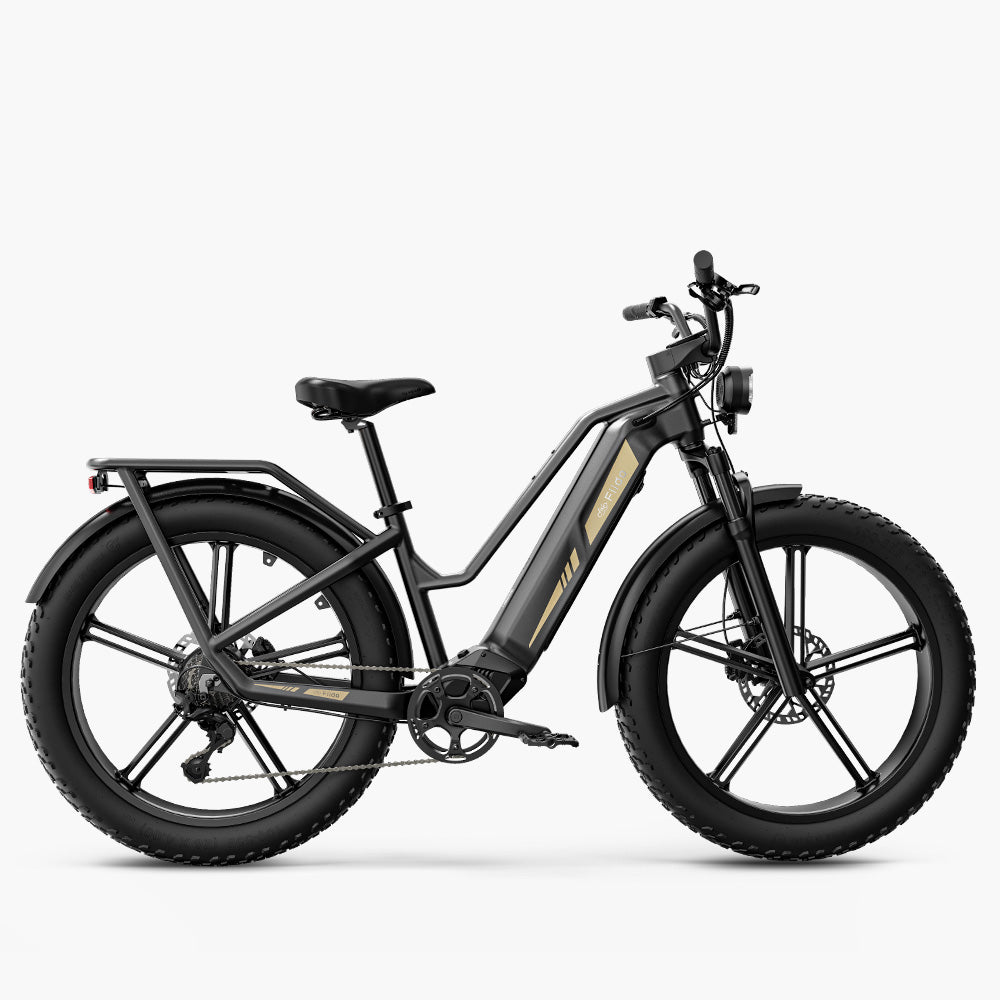
Fiido Titan Robust Cargo Electric Bike
A powerhouse with a 248-mile range and 4-piston brakes, ideal for hunting and fishing trips.
The Fiido L3 folding electric bike, on the other hand, stands out with its innovative design features. It offers advantages in terms of battery, with a good energy storage capacity. It is also very practical and offers excellent maneuverability. Its performance in terms of range is also remarkable, allowing users to cover long distances without worry.
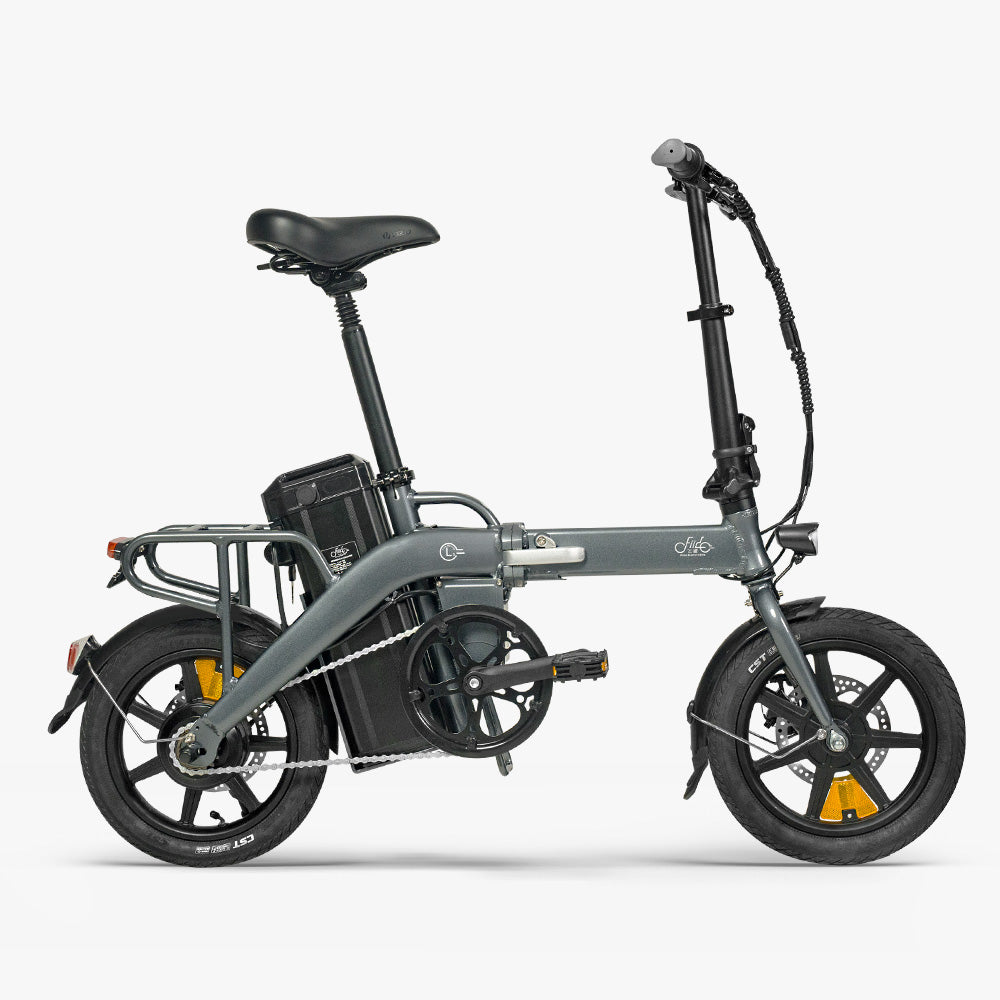
Fiido L3 Long Range Electric Bike
Longest range folding electric bike under $1000.
Appendix: E-Bike Support and Maintenance Resources
For any questions or assistance, users can contact Fiido’s professional support team at the following address: support@fiido.com, who will be happy to provide quality service. This ensures users have access to appropriate technical support when needed and can easily find information about purchasing and maintaining their Fiido electric bikes — including popular models such as fat-tire e-bikes, which are known for their comfort and all-terrain capability. In conclusion, by taking care of their electric bike battery and choosing a quality product like Fiido, US users can fully enjoy their electric cycling experience and contribute to a more sustainable and convenient mode of transport.


