











For most full-time workers, long hours of sitting at the office can be exhausting. After work, dealing with commuting or social engagements makes it feel almost impossible to squeeze in regular exercise. The conflict between wanting to stay healthy and the realities of daily life is a common struggle for many office workers. Long-term sitting leads to physical fatigue, declining fitness, and increasing mental stress.

Integrating Exercise Into Your Daily Commute
Lee, a video editor and photographer, is a typical urban office worker and also a Fiido D3 Pro electric bike user. Despite his busy full-time schedule, he found a balanced solution: turning his e-bike into part of his workout routine, so exercise no longer takes extra time. To make fitness fit naturally into daily life, Li made several key adjustments:
Optimizing Commute Routes
Lee lives about 3 km from his office, so he selected several routes more suitable for cycling:
-Roads with slight slopes or more challenging segments where he can turn off the assist for leg-training
-Wide, open routes with better scenery, such as riverside paths, park-side streets, or low-traffic urban roads
-Combining different types of routes based on his energy and schedule—starting with easy flat roads, switching off assist on uphill sections for training, then turning on assist again to arrive at the office comfortably
This way, his commute is not overly tiring while still giving his body some meaningful stimulus.
Adjusting Assist Modes Flexibly
Morning commute: Normal assist mode.Helps avoid fatigue and keeps him alert and comfortable when arriving at work.
Evening commute: Eco mode or Sport mode. He treats the ride home as a training session, giving his legs and cardiovascular system effective stimulation.
Lee adjusts the assist level based on time and physical condition. In the morning, he prefers normal assist to stay active without feeling tired; in the evening, he switches to eco or even sport mode for a more intense workout.
Using Fragmented Time for Micro-Workouts
Besides commuting, Lee also rides his e-bike during lunch breaks or short downtime to nearby cafés, parks, or supermarkets to scout locations or plan shoots. These short rides help him stay active, burn extra calories, and relax mentally.
Using commute or fragmented time to ride an electric bike counts as low- to moderate-intensity aerobic exercise. Even in easy assist mode, the rider's heart rate increases slightly, which benefits cardiovascular function, blood circulation, and overall daily activity. Turning off assist or using normal/sport mode creates higher intensity, strengthening leg muscles and endurance. Over time, this helps burn fat, relieve stiffness from long sitting hours, reduce stress, and accomplish exercise without needing extra scheduled workout time—perfect for busy office workers.

Weekend Training: Combining E-Bike + Gym Workouts
If your gym is 2–5 km from home, you can use an electric bike as both a warm-up commute and part of your training routine.
1. Using an E-Bike as a Warm-Up Commute
A 5 km e-bike ride typically takes less than 15 minutes. Riding with normal assist elevates heart rate and warms up the body before strength training.
2. Strength or Specialized Training at the Gym
Typically:
Female trainees often focus on glutes and legs for shaping and lower-body strength
Male trainees usually focus more on upper-body training, such as chest, back, shoulders, and arms
3. Choosing How to Ride Back Based on Your Condition
If you trained mainly the upper body (chest, back, shoulders, arms), the lower body usually isn't overly fatigued. When tired or not in optimal condition, using assist mode on the return ride helps maintain a low-to-moderate heart rate, promoting active recovery, aiding lactate clearance, reducing muscle tension, and preventing excessive fatigue—without adding extra strain on the legs.
If you trained the lower body (glutes, legs, leg strength workouts), soreness often lasts 3–7 days, which is a normal response to muscle micro-damage.
In this case:
Light soreness: gentle assisted riding helps blood circulation and speeds up recovery
Severe soreness or overtraining: rest is recommended to avoid additional strain
Combining strength training (anaerobic) with cycling (aerobic) enhances muscle strength and endurance while improving cardiovascular function and supporting recovery—creating a complete, balanced training effect.
Two Key Recommendations
Choose Your Bike Based on Fitness Level and Experience
— If you're an athletic rider, consider a fat-tire electric bike. These bikes handle various terrains, and even with assist turned off, you can comfortably complete daily commuting and workouts, making high-intensity rides achievable without excessive strain.
Additionally, forward-leaning sport-style e-bikes suit riders who pursue speed and a more athletic feel. Models like Fiido Air or Fiido C21 offer better aerodynamics and riding efficiency, ideal for long-distance or high-intensity riding.
— But if you're a beginner or have average physical strength, choose a lightweight e-bike under 25 kg with multiple assist modes. This makes commuting easier while allowing flexible adjustment of exercise intensity.
Choose Your Bike Based on Commute Environment
— If your commute involves public transportation, choose a compact or foldable e-bike. The Fiido D3 Pro mini e-bike is excellent choices for easy transit connections and convenient storage.
— For long-distance commuting, choose a model with strong range and high comfort to avoid fatigue. Bikes with front suspension or a cushioned seat make long rides more comfortable; tire width around 2.0–2.5 inches is ideal. Models like Fiido Titan and Fiido Nomads include suspension, balancing stability and comfort.
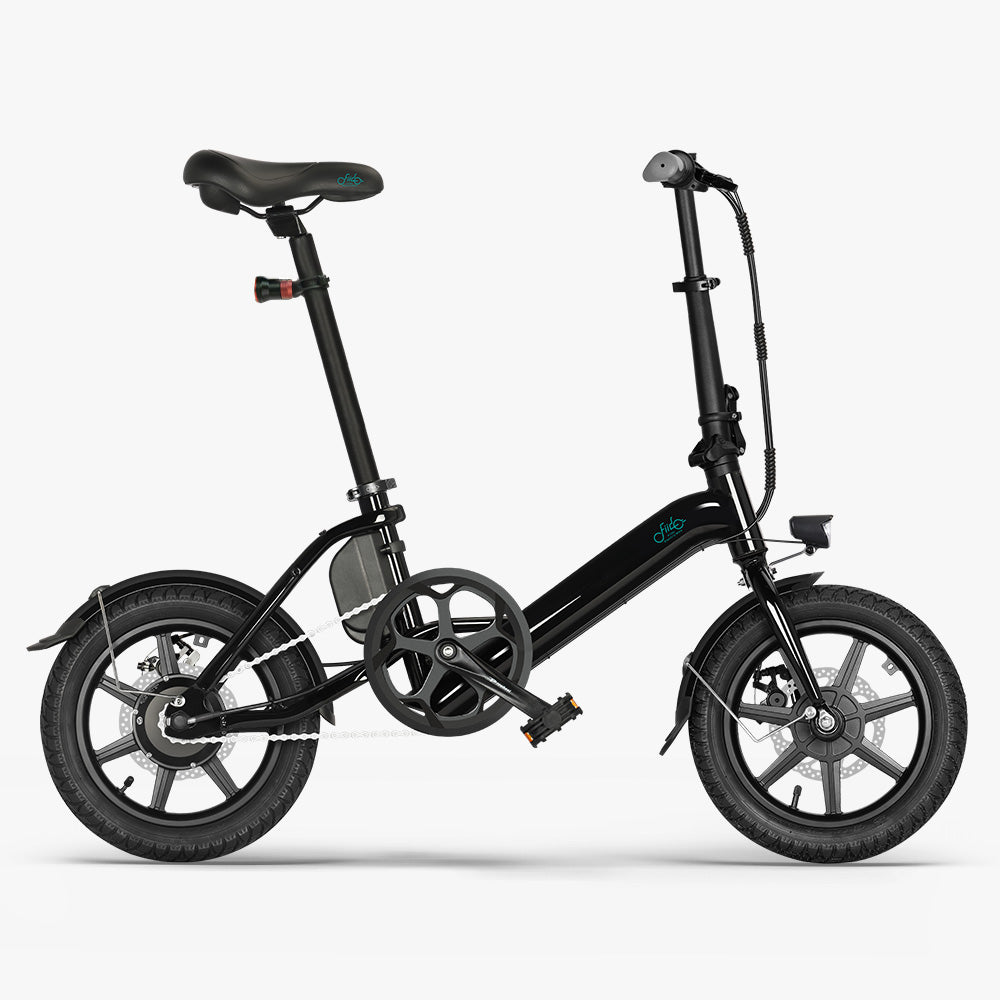
Fiido D3 Pro Mini Electric Bike
The most affordable and adorable electric bike.
Reminder: Prices are subject to the product detail page ,some earlier card details may have been updated.
Unexpected Benefits of E-Bike Fitness
Integrating cycling into a busy work life allows exercise without extra time cost:
Daily commuting doubles as regular activity, lunchtime or short break rides increase movement, and weekend longer rides or trips to the gym add endurance and cardio benefits—while also providing enjoyment and social opportunities. This makes fitness easier, more consistent, and more sustainable.


