











Compare Fiido's Ebike Lineup
| Features |
D3 Pro
|
Titan
|
T2
|
M1 Pro
|
Air
|
C11
|
C21
|
C11 Pro
|
Nomads
|
Nomads Pro
|
T3
|
T3 Max
|
|---|---|---|---|---|---|---|---|---|---|---|---|---|
| Ebike Model |
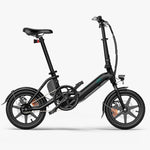
$549.00
$659.00
2109 reviews
The most affordable and adorable electric bike.
|
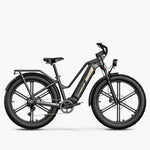
$1,649.00
$1,869.00
192 reviews
One of the world’s longest-range touring e-bikes, with superior cargo capability.
|
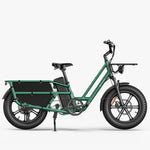
$1,649.00
$1,979.00
193 reviews
The upgraded, versatile electric cargo bike with longer tail built for family hauling - groceries, pets, 1-2 kids, with a massive 440 lbs capacity. Engineered for safe, long rides across all terrains and in any weather.
|
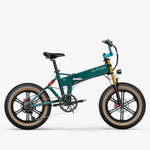
$1,209.00
$1,649.00
1069 reviews
The most cost-effective fat tire ebike for off-road adventures.
|
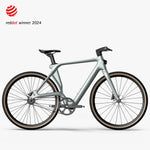
$1,979.00
$3,079.00
81 reviews
A revolutionary lightweight e-bike, winner of the Red Dot Award.
|
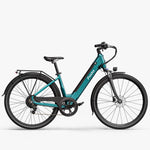
$1,099.00
$1,209.00
2162 reviews
A versatile electric bicycle suitable for daily commutes and urban adventures.
|
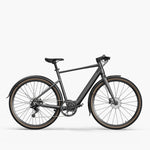
$1,099.00
$1,979.00
1238 reviews
Urban commuter and adventure electric bike with torque sensor, only 17.5kg.
|
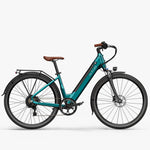
$1,209.00
$1,979.00
2162 reviews
The ultimate all-in-one e-bike for your daily commute and weekend urban adventures - built to perform in any weather.
|
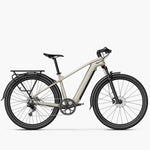
$1,429.00
$1,539.00
25 reviews
Long-range electric touring bike for comfortable, all-terrain travel and city exploration.
|
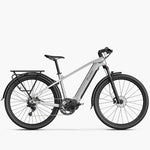
$1,999.00
$1,539.00
3 reviews
Mid-drive touring bike for everyday commuting and long-distance adventures.
|
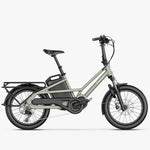
$1,899.00
No reviews
A versatile cargo e-bike for family life, daily commuting, and everyday journeys around the city.
|
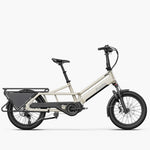
$2,299.00
No reviews
Longtail cargo e-bike with portable power for family trips, outdoor use, and daily transport.
|
| HOW IT FEELS | Lightweight, Capable, Mini | Multifunctional, Powerful, Sturdy | Multifunctional, Powerful, Sturdy | Powerful, Firm, Reliable | Ultra-Lightweight, Fast, Clean | Premium, Agile, Spunky, Powerful, Lightweight | Lightweight, Smooth, Quick-response | Premium, Agile, Spunky, Powerful, Lightweight | Free, Adventurous, Durable, All-Terrain, Comfortable | Powerful, Smooth, Comfortable, Stable, Natural | Comfortable, Stable, Practical, Smooth, Agile | Powerful, Stable, Comfortable, Versatile, Reliable |
| RIDING SCENARIO | Short distance cycling, City commuting | Multifunctional freight, Long-distance travel | Multifunctional freight, Long-distance travel | Urban light off-road, Outdoor sport | Urban cycling, leisure cycling, Commuting | Urban cycling, leisure cycling, Commuting | Urban cycling, leisure cycling, Commuting | Urban cycling, leisure cycling, Commuting, Long Range Riding | Touring, Trekking, Off-Road Trails, Countryside, City Rides | Touring, Trekking, Countryside Rides, Mountain Roads, City Rides, Long Range Riding | School Runs, Grocery Shopping, Daily Commuting, City Rides | Family Outings, Camping Trips, Cargo Transport, Weekend Trips, Daily Riding |
| BEST FOR | Commuters, Students, Urban dwellers, Joy-riders, Campers | Urban dwellers, Campers, Deliveryman, Hiker, RVers | Urban dwellers, Campers, Deliveryman, Hiker, RVers, Family | Off-road enthusiasts, Campers, Joy-riders, Experienced ebikers, Urban dwellers, Commuters | Trendsetter, Urban dwellers, Commuters, Joy-riders | Trendsetter, Urban dwellers, Commuters, Joy-riders | Trendsetter, Urban dwellers, Commuters, Joy-riders | Trendsetter, Urban dwellers, Commuters, Joy-riders | Explorers, Long-Distance Riders, Nature Lovers, Light Bikepackers | Explorers, Tourers, Commuters,Adventure Riders, Bikepackers | Families, Parents, Commuters, Cargo Riders, Everyday Cyclists, Small Business Owners | Families, Campers, Outdoor Lovers, Cargo Riders, Commuters, Small Business Owners |
| Applicable height | 5.0'(155cm) -6.5'( 200cm) | 5.0'(155cm) - 6.5'(200cm) | 5.0'(155cm) - 6.5'(200cm) | 5.0'(155cm) - 6.5'(200cm) | M: 5'5'' (165cm) -5'9'' (175cm) L :5'7'' (170cm) -6'3'' (190cm) XL: 6'1'' (185cm) -6'9'' (205cm) |
4.9'(150cm) - 6.5'(200cm) | M:5'3" (160cm) -5'9" (175cm) L:5'7" (170cm) - 6'5"(195cm) XL:6'2"(190cm)- 6'7"(205cm) |
155cm(5'1") - 195cm(6'5") | M 170cm(5'7'' ) - 190cm (6'3'') L 180cm (5'11'') - 200cm(6'7'' ) |
M:170-190cm L:180-200cm |
155-200cm | 155-200cm |
| BATTERY | 36V 280.8Wh | 48V 696Wh | 48V 998Wh | 48V 614.4Wh | 32V 208.8Wh | 48V 499.2Wh | 36V 208.8Wh | 48V 499.2Wh | 36V 417.6Wh | 36V 417.6Wh | 36V 972Wh | 36V 648Wh |
| CHARGING HOUR | 5H | 5H | 7H | 7H | 3H | 5H | 3H | 5H | 4h | 6H | 9H | 6H (Dual-battery 15H) |
| RANGE (pedal assisted mode) | 20.5 miles | 71.90 miles(Standard) | 84.67 miles | 55.2 miles | 37.49 miles | 56.44 Miles | 62.14 miles | 64.85 Miles | 49.30 miles (1 battery) | 46.50 miles | 116.33 miles | 76.57 miles (dual battery 199.16 miles) |
| MOTOR | 250W | 750W | 750W | 500W | 250W | 500W | 250W | 250W | 250W | 100N·m | 100N·m | 100N·m |
| MAX SPEED | 15.5MPH | 15.5MPH | 15.5MPH | 15.5MPH | 15.5MPH | 15.5MPH | 15.5MPH | 15.5MPH | 15.5MPH | 15.5MPH | 15.5MPH | 15.5MPH |
| BRAKE | Mechanical | 4-Piston Hydraulic | 4-Piston Hydraulic | Mechanical | SHIMANO BR-MT410 Hydraulic Disc Brake | Hydraulic | Hydraulic | Hydraulic | Hydraulic | Hydraulic | Hydraulic | Hydraulic |
| DRIVETRAIN | SHIMANO 6S | S-RIDE 9S | SHIMANO 7S | SHIMANO 7S | Gates Carbon Drive | 7S | L-TWOO 9S | 7S | 9s | SHIMANO CUES U3020-9S | S-Ride 9 | S-Ride 9 |
| PEDAL ASSIST SENSOR | Cadence | Torque | Speed | Torque | Torque | Cadence | Torque | Torque | Torque | Torque | Torque | Torque |
| SUSPENSION | / | Front suspension | Front suspension | Full suspension | / | Front suspension | / | Front suspension | Front suspension | Front suspension | Front suspension | Front suspension |
| TIRES | 14*2.125 INCH | CST 26*4.0 | 20''*4.0 INCH | 20*4.0 INCH | KENDA 700*40C | CST 700*40C | CST 700*40C | CST 700*40C | CST 29*2.1" | CST 29*2.1" | CST 20*2.4" | CST 20*2.4" |
| WEIGHT | 38.1 lbs | 83.3 lbs | 87.08 lbs | 59 lbs | 30.3 lbs | 54 lbs | 38.5 lbs | 54 lbs | M: 54.5 lbs L: 54.9 lbs |
M:26.2KG L:26.2KG |
33 kg | 36.3 kg |
| PAYLOAD CAPACITY | 265 lbs | 440 lbs(Saddle: 264 lbs + Rear rack: 176 lbs) | 440 lbs(Saddle: 264 lbs + Rear rack: 176 lbs) | 264 lbs | 264 lbs | 264 lbs | 264 lbs | 264 lbs | 264lbs | 264.55 lbs | 330.69 lbs | 440 lbs |
| FOLDED DIMENSIONS | 1240*300*610mm | / | / | 1010*510*770mm | / | / | / | / | / | / | 1755*450*780 mm | 2020*450*870 mm |
| UNFOLDED DIMENSIONS | 1240*575*980mm | 1850*710*1070mm | 1860*730*1190mm | 1750*580*1060mm | 1780*655*1010mm | 1820*670*1150mm | 1790*680*1010mm | 1820*670*1150 mm | M 1923*695*1110 L 1975*695*1115 |
M:1943*740*1120mm L:11983*740*1120 mm |
1755*685*1100(1190) mm | 2020*685*1170(1245)mm |
| SEAT HEIGHT | 610~980mm | 810~1040mm | 760~960mm | 830~1060mm | 920~1010mm | 790-1050mm | 810~1010mm | 790 - 1050mm | M 850~1020mm L 900~1080mm |
M:850-1020mm L:850-1020mm |
780-1070 mm | 800-1090 mm |
| FRAME | Aluminum Alloy | Aluminum Alloy | Aluminum Alloy | Aluminum Alloy | Carbon Fiber | Aluminum Alloy | Aluminum Alloy | Aluminum Alloy | Aluminum Alloy | Aluminum Alloy | Aluminum Alloy | Aluminum Alloy |
| Buy Now | Buy Now | Buy Now | Buy Now | Buy Now | Buy Now | Buy Now | Buy Now | Buy Now | Buy Now | Buy Now | Buy Now |
Key Differences Between EBike
Which E-Bike Is Best for You?
How to Compare E-Bikes and Find Your Best Fit (Beyond the Spec Sheet)
Comparing e-bikes goes way beyond lining up top speeds or reading marketing fluff. Just because a bike boasts a huge motor or an endless range doesn’t mean it’ll actually feel good on your daily commute.
To pick the right ride, you have to look past those surface-level numbers. Real performance comes down to how key parts—like battery watt-hours, sensor types, frame geometry, and hydraulic brakes—actually work together when your feet hit the pedals.
Here is our practical, engineering-focused breakdown of what these specs actually mean, helping you match the right setup to how you really ride.
How Should You Compare E-Bike Range?
Look at Watt-Hours (Wh), not marketing claims. Real-world range fluctuates wildly based on headwind, tire pressure, rider payload, and elevation gain.
A practical benchmark: 10Wh of battery capacity typically yields 1 mile of range under moderate pedal assist. For example, a 500Wh battery realistically covers 40–50 miles on flat city roads, but drops to 25–30 miles on steep hills. Always evaluate range by multiplying battery voltage by amp-hours (V × Ah = Wh) to calculate true energy reserves across different models.
Should You Compare E-Bike Motors by Watts and Torque Alone?
- Torque Sensors: Measure instantaneous leg effort (in Newtons) to match your cadence dynamically. The power feels like an extension of your own legs with zero acceleration lag.
- Cadence Sensors: Act as a binary switch (ON/OFF) based on pedal rotation, delivering a sudden surge of motor power regardless of how hard you push.
How Does E-Bike Weight Affect Daily Use?
- Sub-40 lbs (18kg): The threshold for carrying a bike up multi-story apartment stairs, mounting onto trunk-style car racks, or boarding subway trains without strain.
- 50–60 lbs (22–27kg): Standard city commuters. Manageable at ground level, but cumbersome to lift.
- 70+ lbs (32kg+): Utility and longtail cargo platforms. The added mass trades portability for high-speed chassis stability and frame stiffness under heavy loads.
Why Is Payload Capacity Important When Choosing an E-Bike?
Payload rating is a structural safety limit—not just a rider weight recommendation. It accounts for the combined dynamic load: Rider + Cargo + Passenger + Accessories.
Exceeding payload capacity forces structural flex in the aluminum frame, speeds up spoke fatigue, and rapidly degrades brake modulation. Standard urban commuters usually cap out around 260 lbs (120kg). If your setup includes child seats, heavy rear panniers, or commercial delivery gear, look for reinforced frames rated for 400 lbs (180kg) or higher.
Hydraulic vs. Mechanical Disc Brakes: What's the Difference?
- Hydraulic Brakes: Use non-compressible fluid inside sealed lines. Squeezing the lever pushes hydraulic fluid directly to the pistons, producing high stopping power with minimal hand fatigue. They also feature self-adjusting pads as the friction material wears down.
- Mechanical Brakes: Pull a braided steel cable. Over time, cables stretch and housings compress, requiring manual barrel-adjustments to maintain lever tension.
Why Does Riding Scenario Matter When Choosing an E-Bike?
Over-specifying an e-bike often results in a worse daily experience.
A fat-tire bike with a high-torque motor provides exceptional traction on sand or gravel, but adds unnecessary rolling resistance and steering weight on smooth city asphalt. Conversely, an ultra-light gravel bike excels at fast pavement commutes but lacks the wheelbase stability and rack mounts required for grocery hauling or child transport. Select the frame style, tire width, and drivetrain based on 80% of your actual weekly routes, rather than edge-case scenarios.