












Choose the Right Type of Electric Bike for Your Commute
Checklist for Choosing a City and Commuter Electric Bikes
| Does this describe your commuting needs? | Your score |
| My commute is mainly on paved roads, bike lanes or city streets. | ☐ 1 |
| I want a comfortable bike for regular trips to work, shops or other nearby destinations. | ☐ 1 |
| I have a suitable place to park and store a full-size bicycle. | ☐ 1 |
| I rarely need to carry my bike upstairs or lift it into a car. | ☐ 1 |
| I prefer a practical everyday setup over a bike designed primarily for rough terrain or heavy cargo. | ☐ 1 |
| Total | ___ / 5 |
-
4–5 points: A city or commuter e-bike should be one of your first options.
-
2–3 points: It may be suitable, but compare it with folding or utility-oriented models if storage or carrying needs are important.
-
0–1 point: Another bike style may match your routine more closely.
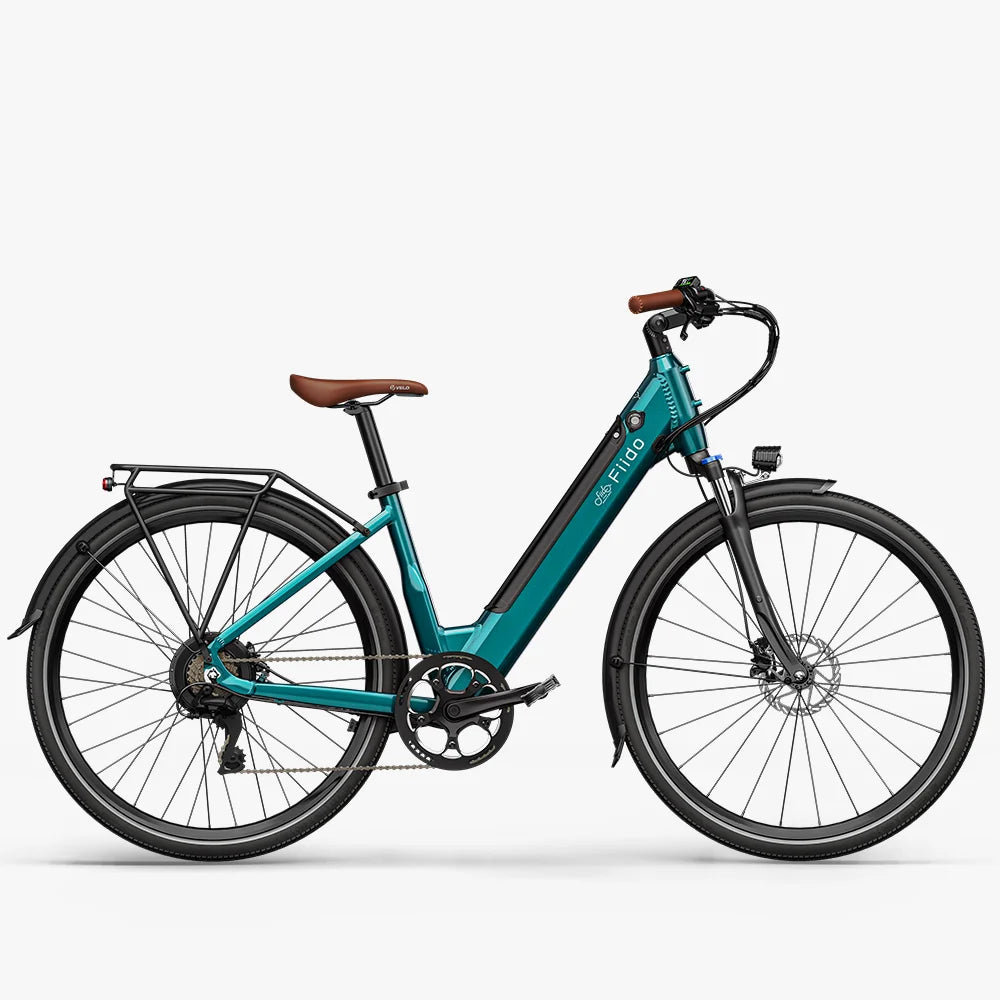
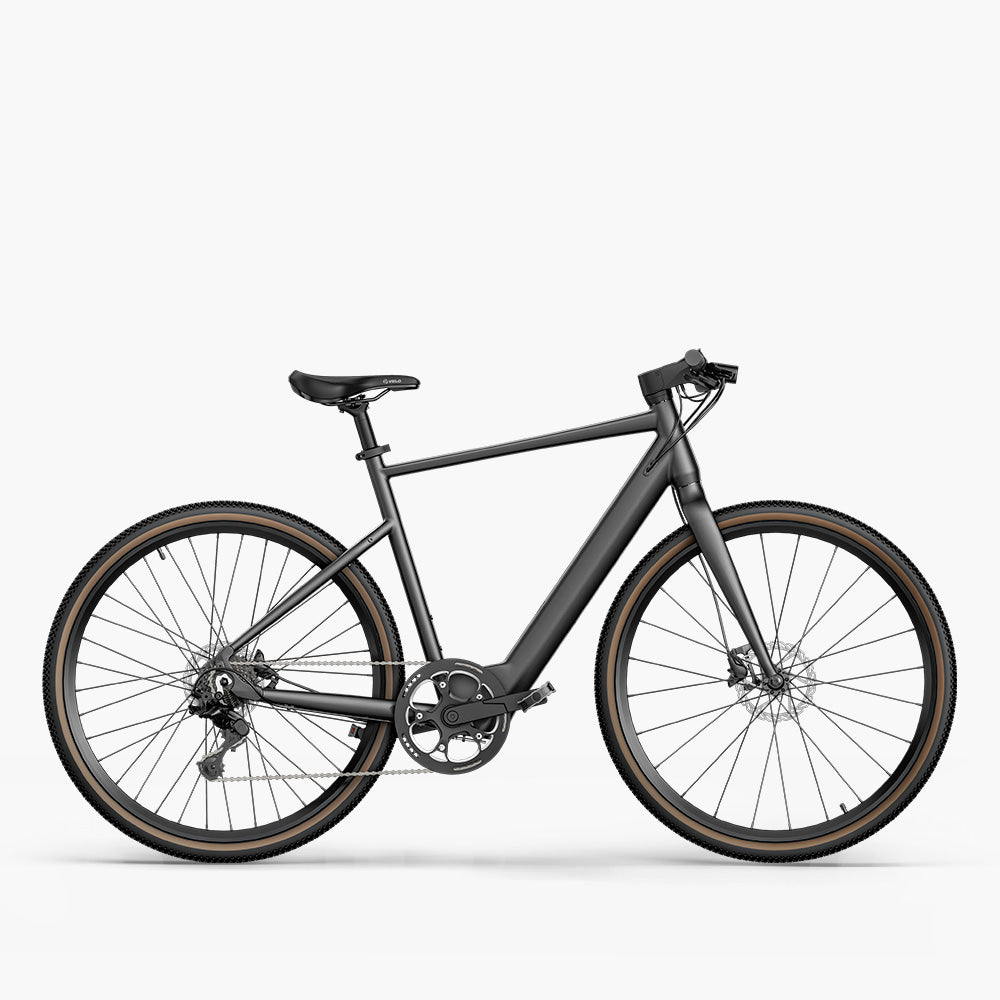
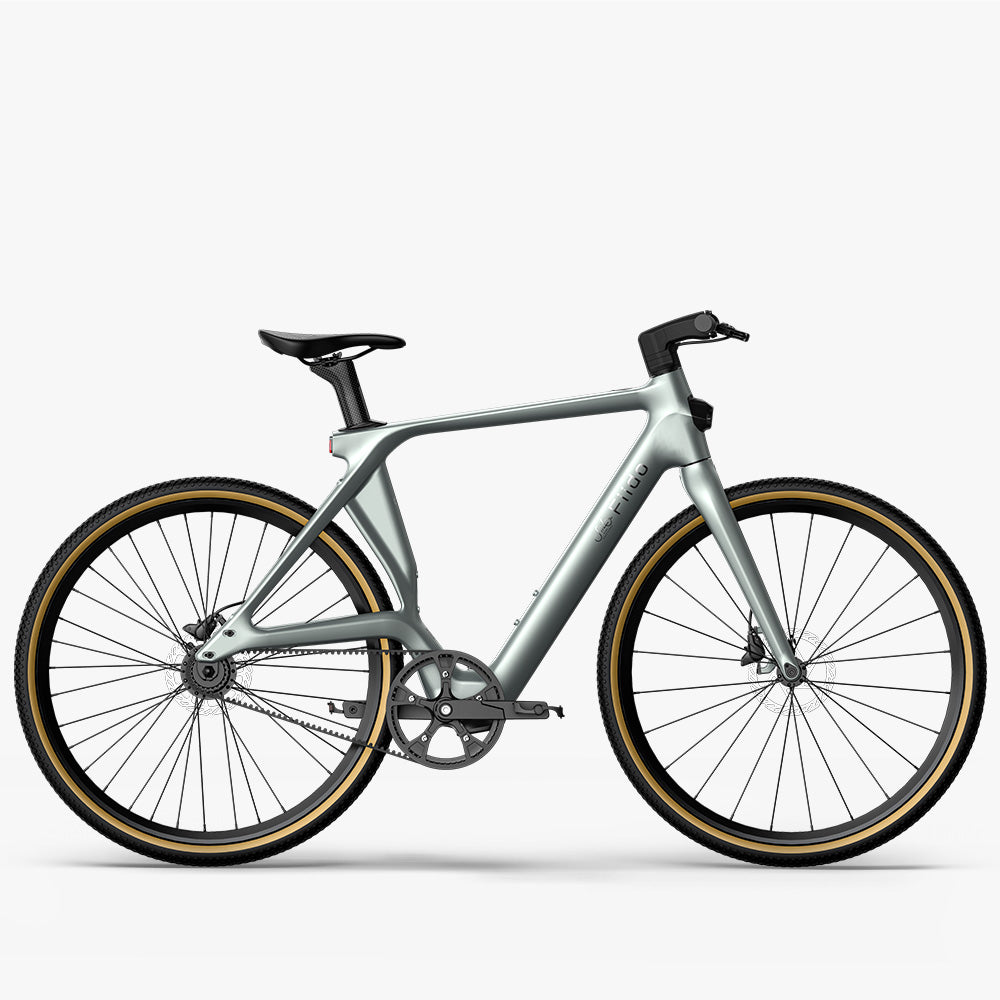
Best Electric Commuter Bikes: Fiido C11 Pro vs. Fiido C21 vs. Fiido Air
 |
 |
 |
|
| Comparison factor | Fiido C11 Pro | Fiido C21 | Fiido Air |
| Best suited to | Riders who want a well-equipped everyday commuter | Riders who want a lightweight city bike for regular commuting | Riders who prioritize minimum bike weight |
| Bike weight | Approx. 54 lb (24.5 kg) with battery | Approx. 38.6 lb (17.5 kg) | Approx. 30.3 lb (13.75 kg) |
| Motor torque | 55 Nm | 22 Nm | 20 Nm |
| Pedal-assist sensor | Torque sensor | Torque sensor | Torque sensor |
| Battery | 499.2 Wh, removable | 208.8 Wh, non-removable | 208.8 Wh, non-removable |
| Published maximum range | Up to 64.85 miles | Check the current US product listing before publishing | Up to approximately 37.5 miles; verify the current US listing |
| Braking and everyday equipment | Hydraulic disc brakes, front suspension, rear rack | Check the selected version's equipment | Check the selected version's equipment |
| Main trade-off | Heavier than the C21 and Air, so less convenient to lift or carry | Smaller battery and non-removable battery may affect charging convenience and range flexibility | Lowest weight, but its smaller battery and shorter published range may not suit longer daily journeys |
Checklist for Choosing a Folding Electric Bikes
A folding e-bike is designed to collapse into a more compact form for storage or transport. It can be particularly useful for apartment dwellers, commuters with limited storage space and people who combine cycling with driving or public transport.
| Does this describe your commuting needs? | Your score |
| I have limited space at home or at work to store a full-size bicycle. | ☐ 1 |
| I need to fit my bike into a car trunk or another compact storage area. | ☐ 1 |
| I regularly combine cycling with another form of transport, where folding bikes are permitted. | ☐ 1 |
| I may need to carry or move my bike through stairs, elevators or narrow spaces. | ☐ 1 |
| I value compact storage enough to accept potential trade-offs in weight, wheel size or riding feel. | ☐ 1 |
| Total | ___ / 5 |
How to interpret your score
-
4–5 points: A folding e-bike deserves priority, provided its folded dimensions and weight suit your needs.
-
2–3 points: Consider a folding model if storage or transport is a recurring challenge; otherwise, compare it with a standard commuter e-bike.
-
0–1 point: A folding design may offer limited practical benefit for your routine.
Important: Folding does not necessarily mean lightweight. If you need to carry the bike upstairs every day, check its complete weight and try lifting it if possible before buying.
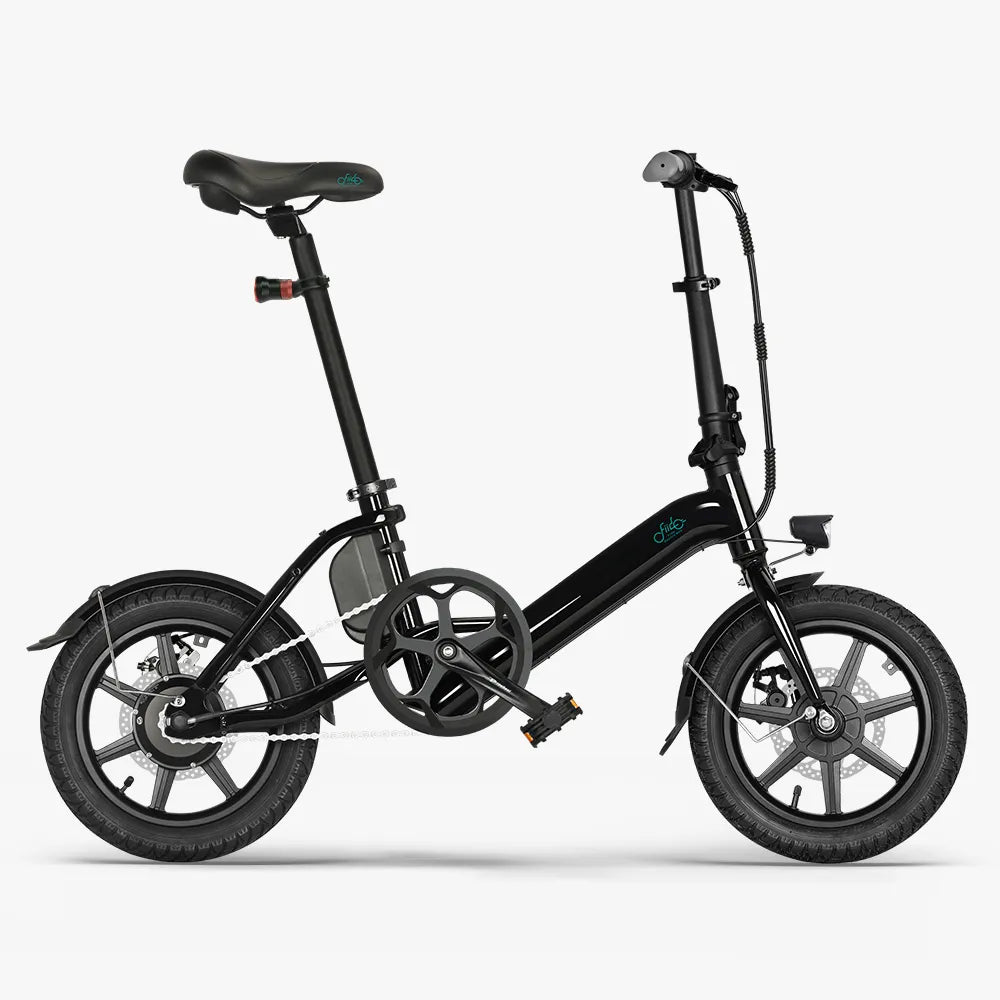
Best Folding E-Bikes: Fiido D3 Pro vs. Fiido D11 vs. Fiido X vs. Fiido M1 Pro
 |
 |
|
| Comparison factor | Fiido D3 Pro | Fiido M1 Pro |
| Best suited to | Short urban trips and compact storage | Riders who want folding convenience with wide tires and suspension |
| Bike weight | Approx. 38.1 lb (17.3 kg) | Approx. 59 lb (26.8 kg) |
| Battery | 280.8 Wh; non-removable | 556.8 Wh; removable |
| Published maximum range | Up to 20.5 miles | Up to 55.2 miles |
| Motor and pedal-assist sensor | 250 W motor; 35 Nm; cadence-based assistance | 500 W motor; 50 Nm; torque sensor |
| Tires and ride setup | 14 × 2.125-inch tires; compact mini-bike format | 20 × 4.0-inch fat tires; front and rear suspension |
| Folded dimensions | Approx. 48.8 × 11.8 × 24.0 in | Approx. 39.8 × 20.1 × 30.3 in |
| Main trade-off | Smaller battery and non-removable battery limit range and charging flexibility | Substantially heavier and bulkier than the D3 Pro |
Specifications and range claims should be checked against the exact model and version sold in the target market before publication. Published maximum range is not a guaranteed commuting distance.
Checklist for Choosing a Fat-Tire Electric Bikes
Fat-tire e-bikes have wider tires than conventional city bikes. Depending on tire design and pressure, they may provide a more cushioned ride over certain rough surfaces and can suit commuters whose routes extend beyond smooth pavement.
| Does this describe your commuting needs? | Your score |
| My route regularly includes rough pavement, gravel paths or other uneven surfaces suitable for this type of bike. | ☐ 1 |
| I value a more cushioned riding feel over the surfaces I use most often. | ☐ 1 |
| My commute sometimes extends beyond paved city streets onto suitable mixed terrain. | ☐ 1 |
| I have enough storage space for a bike that may be wider or heavier than a conventional commuter model. | ☐ 1 |
| I am comfortable checking tire pressure and accepting the possible weight or rolling-resistance trade-offs of wider tires. | ☐ 1 |
| Total | ___ / 5 |
How to interpret your score
-
4–5 points: A fat-tire e-bike may be worth prioritizing if its handling and specifications suit your route.
-
2–3 points: Compare fat-tire models with conventional commuter bikes and consider which tire setup better suits your actual road conditions.
-
0–1 point: You may not need the extra width of fat tires for your commute.
Wider tires are not automatically better for every rider. For smooth urban roads, a conventional commuter e-bike may be lighter and more practical. Tire construction, pressure and the complete bike design all affect comfort and efficiency.
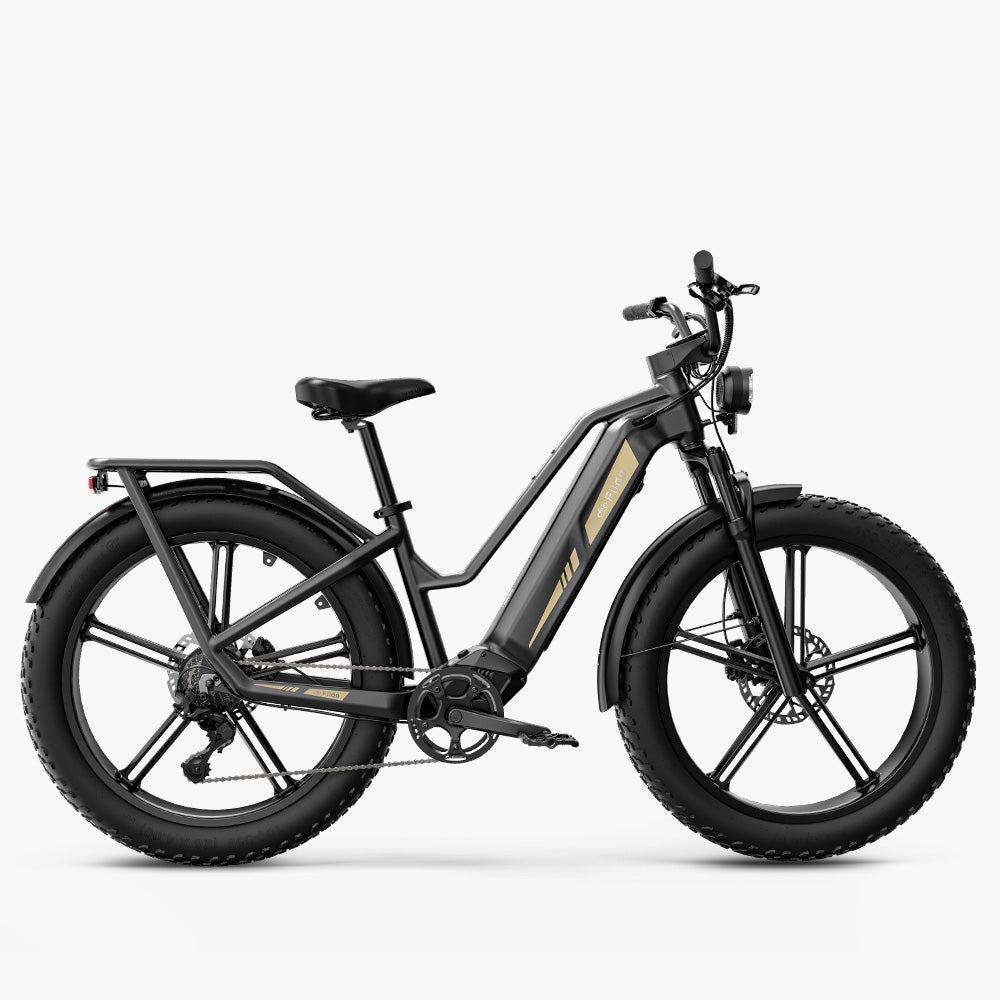
Best Fat-tire E-Bikes: Fiido M1 Pro vs. Fiido Titan
|
 |
|
| Comparison factor | Fiido M1 Pro | Fiido Titan |
| Best suited to | Riders who want wide tires, suspension, and a foldable frame for mixed urban and recreational use | Riders who prioritize carrying capacity, a larger frame, and longer-distance riding |
| Bike weight | Approx. 59.1 lb (26.8 kg) | Approx. 83.3 lb (37.8 kg) |
| Tire size | 20 × 4.0 in | 26 × 4.0 in |
| Motor and torque | 250 W motor; 50 Nm listed on the current US product page | US version: 750 W motor; check the current US listing for the applicable torque specification |
| Battery and range | 556.8 Wh removable battery; up to 55.17 miles claimed | Battery configuration varies; published range is up to 115 km with one battery and up to 347 km with three batteries on the 2025 model |
| Suspension | Front suspension and rear shock absorber | Front suspension |
| Gearing and brakes | 7-speed drivetrain; hydraulic disc brakes | 9-speed drivetrain; four-piston hydraulic disc brakes |
| Maximum payload | 264.6 lb (120 kg) | Up to 440.9 lb (200 kg), subject to separate rider and rear-rack limits |
| Folding and storage | Folding frame; more compact for storage, but still heavy to lift | Non-folding frame; requires more dedicated storage space |
| Main trade-off | Lower payload capacity and a smaller wheel platform than the Titan | Much heavier, larger, and harder to store or carry |
Specifications and range claims vary by model year and market. Confirm the current US product listing before publication. The Titan's maximum payload is not the same as the permitted rear-rack load.
Checklist for Choosing a Cargo and Utility Electric Bikes
Cargo and utility e-bikes are designed to carry more than the rider alone, whether that means groceries, work equipment, shopping bags or other everyday items. Depending on the model, they may include dedicated racks, larger carrying areas or a higher permitted payload.
| Does this describe your commuting needs? | Your score |
| I regularly carry groceries, work equipment or other bulky items. | ☐ 1 |
| I want to carry bags on the bike instead of wearing a heavy backpack. | ☐ 1 |
| I need a dedicated rack, cargo area or compatible carrying accessories. | ☐ 1 |
| I often combine my commute with shopping, errands or other trips that involve carrying items. | ☐ 1 |
| I have enough space to store and maneuver a potentially longer or heavier bike. | ☐ 1 |
| Total | ___ / 5 |
How to interpret your score
-
4–5 points: A cargo or utility e-bike should be high on your shortlist.
-
2–3 points: A standard commuter e-bike with a compatible rack or panniers may be enough, so compare both options.
-
0–1 point: A dedicated cargo bike may be unnecessary unless you expect your carrying needs to increase.
Before buying, check the bike's maximum payload, the rack's own weight limit and the permitted load for any accessories. These figures are not always the same. Only carry a passenger if the specific model is designed and approved for that use.
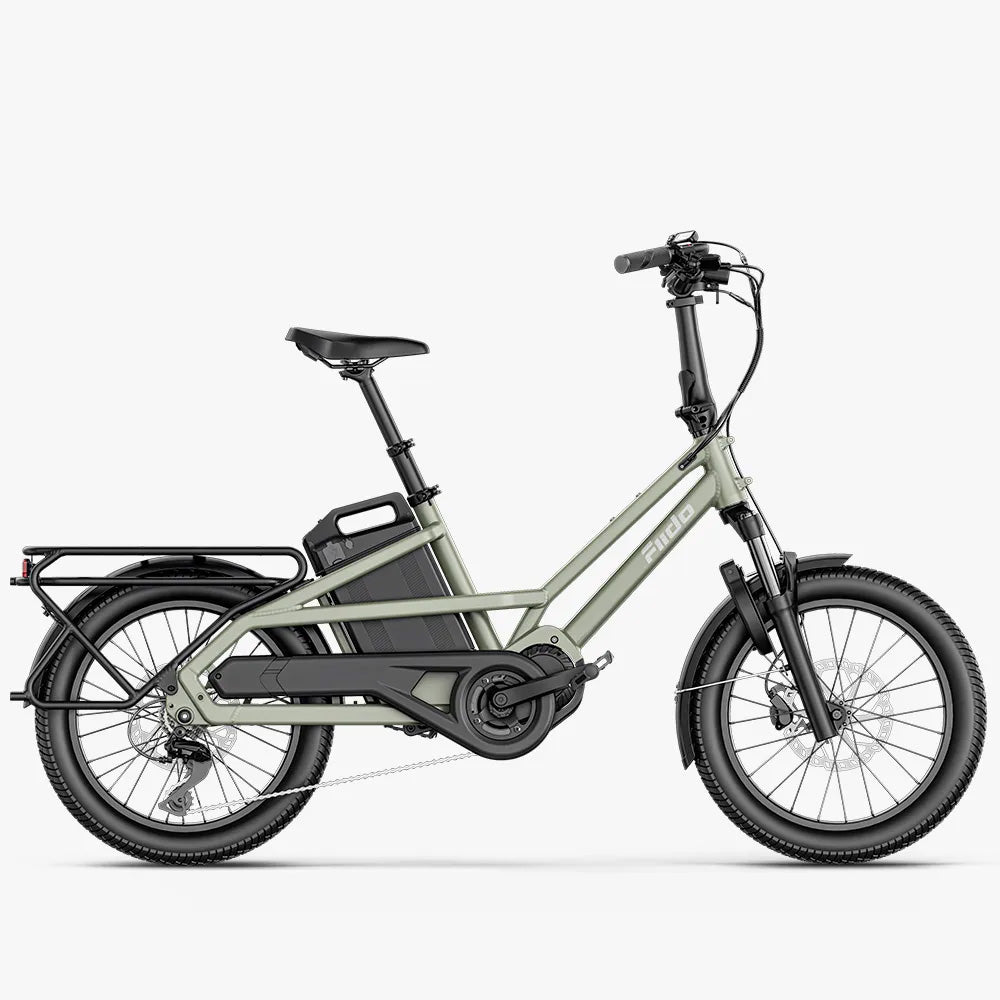
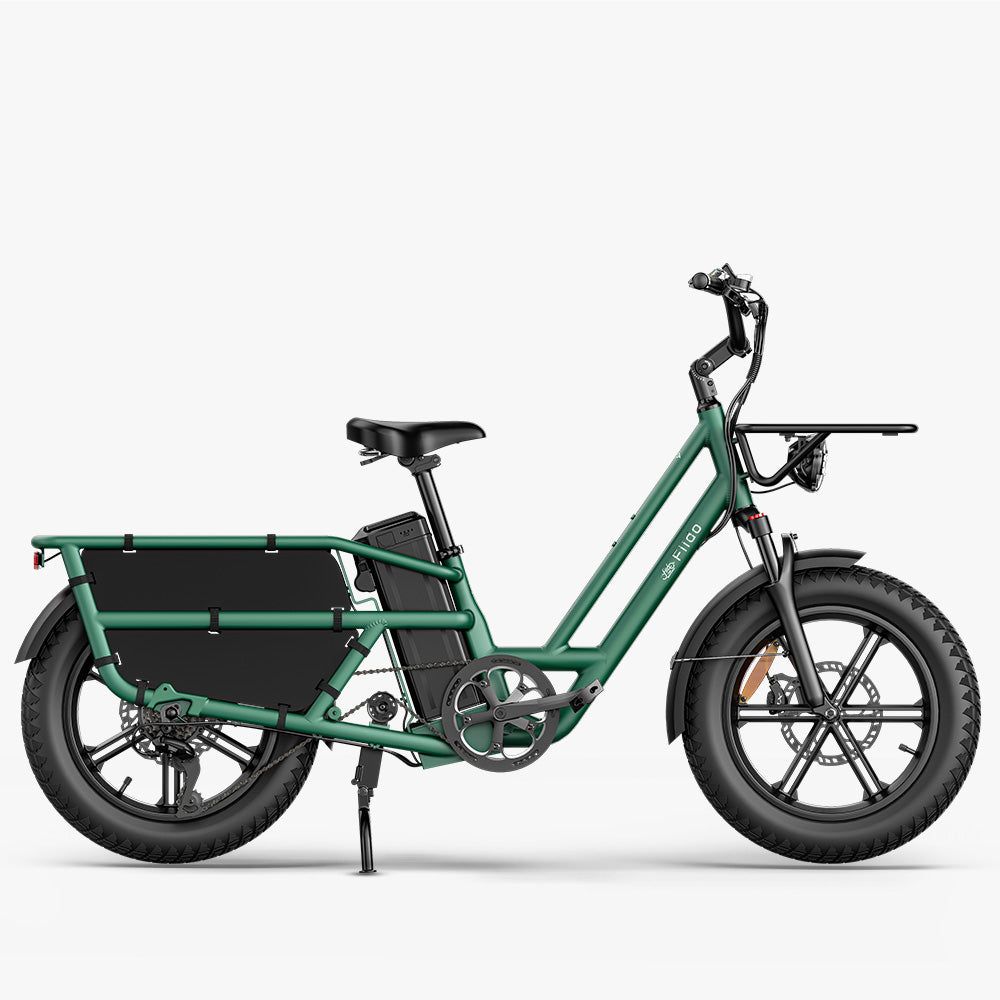
Best Electric Cargo Bikes: Fiido T3 vs. Fiido T2 vs. Fiido T3 Max
 |
 |
|
|
| Comparison factor | Fiido T3 | Fiido T2 | Fiido T3 Max |
| Best suited to | Everyday errands and family trips when a more compact cargo bike is preferable | Regular cargo carrying, shopping, and family transport | Heavier loads, longer rides, and users who want optional dual-battery capacity |
| Frame design | Compact utility cargo frame | Longtail cargo frame | Extended longtail cargo frame |
| Bike weight | Approx. 72.8 lb (33 kg) | Approx. 87.1 lb (39.5 kg) | Approx. 80 lb (36.3 kg) listed for the standard configuration |
| Battery | 972 Wh, removable | 998.4 Wh, removable | 648 Wh standard; optional dual-battery setup up to 1,620 Wh |
| Published maximum range | Up to 116 miles | Up to 84.7 miles | Up to 76.6 miles standard or 199 miles with dual batteries |
| Motor and drivetrain | 250 W mid-drive motor, 100 Nm torque, 9-speed drivetrain | 750 W motor listed on the US comparison page; 55 Nm torque listed for the 2025 model | 250 W mid-drive motor, 100 Nm torque, 9-speed drivetrain |
| Maximum payload | Approx. 331 lb (150 kg) | Approx. 441 lb (200 kg) | Approx. 441 lb (200 kg) |
| Cargo-carrying design | Compact utility format for everyday loads | Longtail layout with dedicated rear cargo space | Extended rear rack designed for family carrying and larger loads |
| Additional power features | Battery compatible with the T3 Max extender setup | Check the selected version and accessories | Dual-battery option; portable power output up to 800 W on the relevant configuration |
| Main trade-off | Lower maximum payload than the T2 and T3 Max | Heavier and may require more storage space | Still heavy and bulky; extra battery capacity adds cost and is unnecessary for many short commutes |
Figures are based on Fiido's US product and comparison pages. Maximum range is a manufacturer claim, not a guaranteed commuting distance. Confirm the exact model year, battery configuration, payload limits, and included accessories before publishing or purchasing.
What If You Score Highly in More Than One Category?
It is normal to match more than one bike type. For example, someone who lives in a small apartment, commutes through the city and carries groceries may score highly for both folding and city e-bikes. In that case, identify the most important problem your bike needs to solve:
-
If storage and transport are your biggest challenges, start by comparing folding e-bikes.
-
If most of your journey is on paved roads and everyday comfort is the priority, begin with city or commuter e-bikes.
-
If rough surfaces are a regular part of your route, compare fat-tire models with other bikes designed for those conditions.
-
If carrying groceries or work equipment is central to your routine, prioritize cargo capacity and compatible accessories.
Finally, check the bike's range, fit, braking system, total weight and local legal requirements. A high checklist score helps narrow your options, but the bike still needs to meet your practical and safety requirements.
Check the Specifications That Could Rule Out a Bike
Once you have identified one or two suitable categories, check the specifications that determine whether a particular model will work in your routine. These are not just secondary details: a bike that fails one of your essential requirements should be removed from the shortlist, even if it performs well elsewhere.
Range and Battery Capacity
Begin with the distance you actually ride, including the return journey. Then consider the conditions that affect energy use, such as hills, frequent stops, cargo, rider weight, temperature, tire pressure, and assistance level. Battery capacity, usually expressed in watt-hours (Wh), helps you compare how much energy a battery stores. It does not provide a guaranteed distance. A larger battery can offer more flexibility, but it can also add weight and cost. Compare the manufacturer's range claims only when you understand the conditions behind them. If your commute is 20 miles round trip, for example, do not select a bike solely because its advertised maximum range is slightly above 20 miles. Leave room for changing conditions and normal battery ageing. Also check whether the battery is removable, how it is charged, and whether you can conveniently charge it where you live or work.
Weight and Storage Dimensions
If you must carry a bike upstairs, check its actual weight before considering other advantages. If you intend to fold it into a car, compare the folded dimensions with your available space. A folding mechanism can reduce storage volume without making a bike lightweight. This distinction is particularly important when comparing a mini e-bike with a folding fat-tire model.
Rider Fit and Carrying Capacity
Check the manufacturer's recommended rider height, maximum rider weight, and total load limit. If the bike has a cargo rack, verify the rack's own maximum load as well. A high total load rating does not necessarily mean the rear rack can carry that entire amount. Consider your own weight, clothing, bags, accessories, and any additional cargo together.
Motor Performance and Gearing
Motor wattage, torque, and drivetrain gearing describe different aspects of performance. Wattage relates to the motor's rated or peak power, depending on how the manufacturer reports it. Torque, measured in newton-metres (Nm), describes rotational force and can be relevant when accelerating or climbing. Neither number alone tells you exactly how a bike will perform on your route. Gearing also matters. A suitable gear range can help you maintain a manageable pedalling effort across different gradients and speeds. For hilly commuting, compare the complete drive system rather than choosing a bike solely because its motor has a higher wattage rating. Finally, check the e-bike regulations where you will ride. Power limits, permitted assistance speeds, throttle rules, and classification requirements vary by jurisdiction and may determine whether a model can legally be used on your intended route.
Compare the Finalists by the Problem You Need to Solve
If two or three models remain on your shortlist, compare them against the same commuting requirements rather than reading their product descriptions separately.
| Your main priority | What to compare first | What to watch out for |
| A practical everyday city commute | Fit, braking, pedal-assistance system, included equipment | Paying for cargo or off-road features you do not need |
| Frequent lifting or limited storage | Actual weight, frame dimensions, folded dimensions | Assuming every folding bike is easy to carry |
| Uneven surfaces and mixed riding | Tire dimensions, suspension, brakes, weight | Extra weight and rolling resistance on smooth roads |
| Regular cargo carrying | Total load limit, rack limit, frame layout, loaded-bike handling | Confusing maximum total load with rack capacity |
| Longer journeys | Battery capacity, realistic range, charging arrangements | Treating advertised maximum range as guaranteed |
| Hilly routes | Torque, gearing, drive system, braking | Judging climbing performance from one specification alone |
A useful way to make the final choice is to rank your three most important requirements. For example, if your priorities are low weight, a 16-mile round trip, and compact storage, a heavy cargo bike should not remain your first choice just because it has a large battery. If your priorities are cargo capacity, hill climbing, and enough battery capacity for a longer commute, a compact lightweight city bike may not meet your needs even if it is easier to store. The best option is the one that meets your essential requirements without adding unnecessary compromises.
Consider Comfort and Everyday Practicality
A bike can meet every numerical requirement and still be uncomfortable to ride every day. Before buying, consider riding position, saddle comfort, handlebar reach, tire pressure, suspension where relevant, and whether the frame size suits you. Also check which everyday accessories are included. Fenders, lights, a kickstand, a rack, and a suitable lock can make a meaningful difference to the cost and convenience of commuting. If an accessory is essential, verify whether it is included or must be purchased separately. Where possible, test ride the bike or confirm the return policy before ordering. Pay attention to starting and stopping, turning at low speed, braking, and how the bike feels when maneuvering it without motor assistance.
Calculate the Total Cost of Ownership
The purchase price is only one part of the cost of owning an e-bike. Tires, brake pads, drivetrain maintenance, replacement batteries, accessories, and servicing can all affect the long-term cost. For a more detailed breakdown, read our guide to how much an e-bike really costs. A more expensive model may be worth considering if its features solve a real problem in your daily routine. However, a larger battery, more powerful motor, or higher load capacity is not automatically better value if you rarely use those capabilities. Before deciding, compare the upfront price, required accessories, expected maintenance, battery warranty, and the availability of replacement parts. Check the warranty terms for the specific market in which you are buying.
Check Local E-Bike Laws and Battery Safety
Before purchasing, confirm that the bike's classification, motor output, and assistance behavior comply with the rules that apply to your intended riding locations. Do not assume that a model legal in one country or state is automatically legal in another. For battery safety, follow the manufacturer's charging and storage instructions. Use the specified charger, avoid damaged batteries or charging equipment, and charge in an appropriate location away from escape routes and combustible materials. Check whether the battery and charger meet the safety requirements applicable to your market. If you intend to ride in wet conditions, check the manufacturer's water-resistance guidance for the bike and battery. Water resistance does not mean that an e-bike can be submerged or cleaned with high-pressure water.
Make Your Final Choice
The right electric bike for commuting is not necessarily the one with the largest battery, the highest torque, or the most features. It is the one whose specifications solve your daily problems, whose limitations you can live with, and whose cost makes sense for how you will use it. Start with your commuting routine, narrow the options by bike type, and then compare specific models using the parameters that matter to you. That approach makes it easier to choose a bike you will be comfortable using every day, rather than paying for features that look impressive on a product page but do little for your actual commute.


